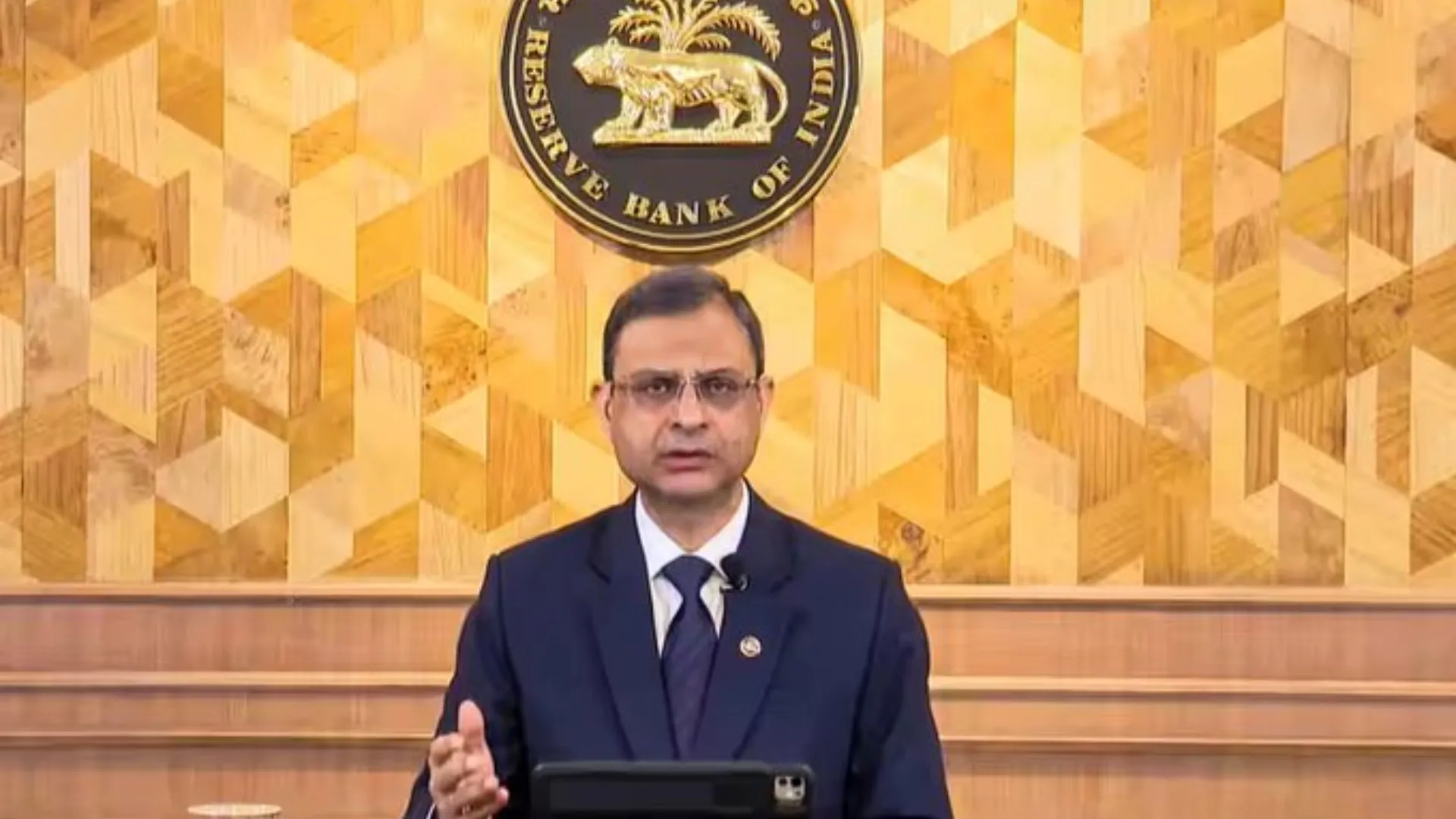
Defence Minister A K Antony during his recent US visit. Photo Courtesy: AP

Navy to oversee maritime security

Sat-Feb 28, 2009

Kochi / Press Trust of India


In the backdrop of the Mumbai terror attacks exposing the chinks in coastal security, government on Saturday designated the Navy as the central authority responsible for the country's overall maritime security.

"The Navy will be assisted by Coast Guard, state marine police and central agencies for the coastal defence of the nation," Defence Minister A K Antony told reporters in Kochi.

Observing that the 26/11 attacks have shaken the entire nation and brought out the need for strengthening coastal security, he said the government has approved certain important measures for strengthening maritime and coastal security against the threat from the sea.

"Against the backdrop of multiple agencies involved in coastal security, and the resultant problems of coordination, the Navy has been designated as the authority responsible for maritime security," he said.

The government has also decided that it will set up joint operation centres (JOCs) at Mumbai, Visakhapatnam, Kochi and Port Blair under charge of Naval commanders-in-chief.

"The JOCs will be jointly manned and operated by Navy and Coast Guard with inputs from diverse agencies including Coast Guard, Navy and concerned Central and state agencies," he added.

Accordingly the Naval and commanders-in chief would be designated as commanders-in-chief of coastal defence, Antony said.

The Navy would get a specialised force called "Sagar Prahari Bal" comprising 1,000 personnel for protecting naval assets and bases on both east and west coasts and island territories.

Antony said that a national command control communication and intelligence network, for real time maritime domain awareness between the operations rooms of Navy and Coast Guard, both at the field and the apex levels, will be established.

"The Navy will control all Navy and Coast Guard joint operations. This will ensure that the assets are optimally deployed and there is synergy between the two organisations," he added.

"With these measures, the government expects that a new focus would be given for effectively managing threats from the sea and security for our over 7,500 km long coastline," the minister said.

Government has also decided to enhance the assets of Navy and Coast Guard by increasing the number of ships, boats, helicopters and aircraft besides manpower. The Navy would also get 80 fast interception crafts for sea-front patrolling.

The Coast Guard would get a new regional headquarter in Gujarat, which would be designated as 'north-west region' and a new post of Commander Coast Guard to look after surveillance of the state's coast.

The government has also decided to install Vessel and Air Traffic Management System for all offshore development areas, as has been done in the western offshore region by the petroleum ministry.

"It would also procure immediate support vessels for offshore security by both Navy and the petroleum ministry. Till then crafts would be hired for patrolling," Antony said.

The Coast Guard would be additionally designated as the authority for coastal security in territorial waters, including areas patrolled by state coastal police.

The Coast Guard Director General would be designated as Commander of Coastal Command and would be responsible for overall coordination between state and central agencies in matters relating to coastal security, the minister said.

The government would also set up nine additional Coast Guard stations to integrate into the 'hub and spoke concept' with coastal police stations along with manpower. These stations would be located at Karwar, Ratnagiri, Vadinar, Gopalpur, Minicoy, Androth, Karaikal, Hut Bay and Nizampatnam.

The Coast Guard would be empowered both in terms of providing assets and necessary manpower for their enhanced role in guarding the coast line.

New posts of Additional Director General and three deputy DGs have also been sanctioned in addition to 20 percent increase in ships and 30 percent increase for shore support, Antony added. To improve the intelligence set-up of Coast Guard, adequate manpower resources would also be given.

Antony said that a new static coastal radar chain under comprehensive network of intelligence stations along the entire coastline, including islands would be set up. "This will be implemented by the shipping, road transport and highway ministry in coordination with Coast Guard.

Further, communication transponders on vessels below 300 tonnes are also proposed to be installed. This work will be done by the shipping ministry in coordination with Coast Guard," Antony said.

"These measures approved by the government are expected to give a new thrust for strengthening coastal security and meet the challenges of threats from the sea," he added.
Rate This Article:
No votes yet

Comments For This Post

Post new comment

The content of this field is kept private and will not be shown publicly.
This question is to prevent automated spam submissions.
Image CAPTCHA
Copy the characters (respecting upper/lower case) from the image.